 Title: The Lover’s Melancholy.
Author: John Ford.
Written: c. 1628.
Earliest Extant Edition: 1629.
Genre: Comedy.
Language Difficulty Rating: 7 (moderate difficulty).
Setting: Famagosta, Cyprus.
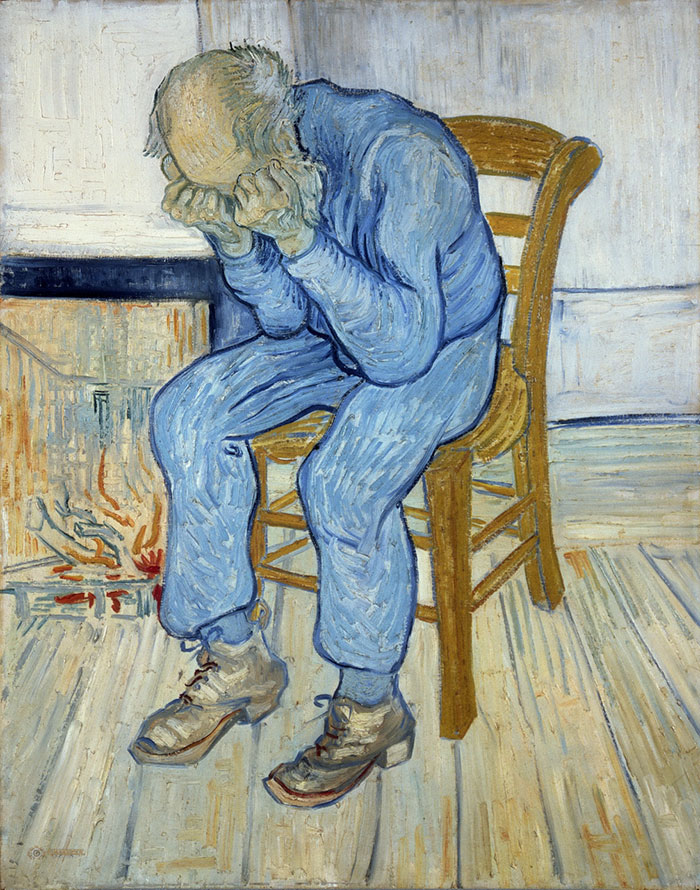
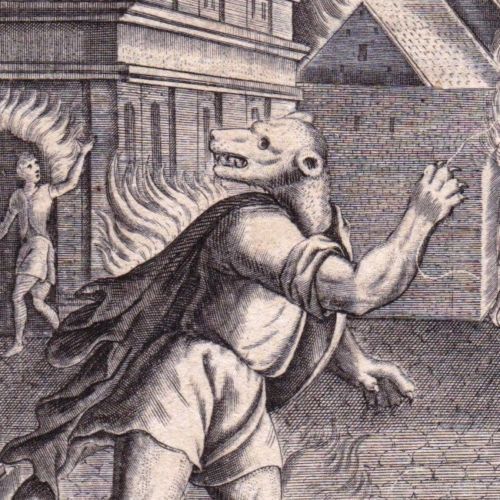 It had been a long-established tradition in Elizabethan drama for powerful men and women to suffer from madness, the frantic emotion that propels the action of so many plays, from Gorboduc (1561) to MacBeth (1606), from King Lear (c. 1605) to The Duchess of Malfi (1612). But fewer plays made depression their major themes. In The Lover’s Melancholy, John Ford takes a deep dive into the causes and effects of various mental derangements, as they were understood in an era when knowledge of mental illness was more rooted in ancient superstition than in science.
The Lover’s Melancholy was the John Ford’s first solo effort, and it set the pattern he would follow for the rest of his career: complex plots with characters whose numerous interconnections would have been almost impossible to follow on the stage; wild exchanges of passages of great beauty with rather crude and vulgar scenes that are, frankly, not all that funny today; and a demonstration of Ford’s great interest in exploring the deeper, and sometimes taboo, emotions of his leading men and women.
Our Story: After the disappearance of his fiancée, Palador, Prince of Cyprus, sinks into a deep depression and neglects the affairs of his kingdom. Meanwhile, his cousin Amethus has fared no better in love—his courtship of Palador’s icy sister Thamasta (one of the frostiest heroines of the age) has ended in failure. Hoping to forget his woes, Amethus travels to the mainland, only to return with a mysterious companion: a strikingly handsome young man whose gentle temperament and eloquent speech have a disarming effect on everyone he meets.
Download The Lover’s Melancholy:
On-line Reading:
Annotated Edition, pdf
White Background for Printing:
Annotated Edition, pdf
Theatre Script:
The Lover’s Melancholy Script